

Few things are more frustrating than turning on the tap and realizing your water pressure has suddenly dropped.
One day your shower feels normal. The next day it barely rinses shampoo out of your hair.
Sudden low water pressure can feel alarming, but in most cases, the cause is straightforward and fixable. The key is identifying whether the issue affects one fixture or your entire home.
Let’s break down the most common reasons your water pressure might have dropped and what you can do about it.
1. A Partially Closed Shut-Off Valve

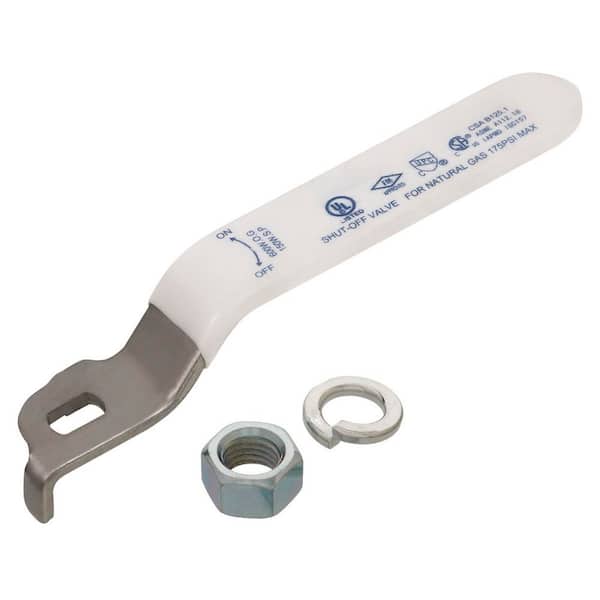

This is one of the most overlooked causes.
If someone recently worked on your plumbing even something minor like replacing a faucet they may have turned the main water valve off and not fully reopened it.
Even a slightly closed valve can significantly reduce pressure throughout your home.
What to check:
- Main shut-off valve near the water meter
- Valve near your water heater
- Any branch valves under sinks
For ball valves, the handle should be parallel to the pipe. For gate valves, turn fully counterclockwise to ensure it’s completely open.
If the pressure returns after adjusting the valve, you’ve solved it.
2. Clogged Faucet Aerators or Showerheads

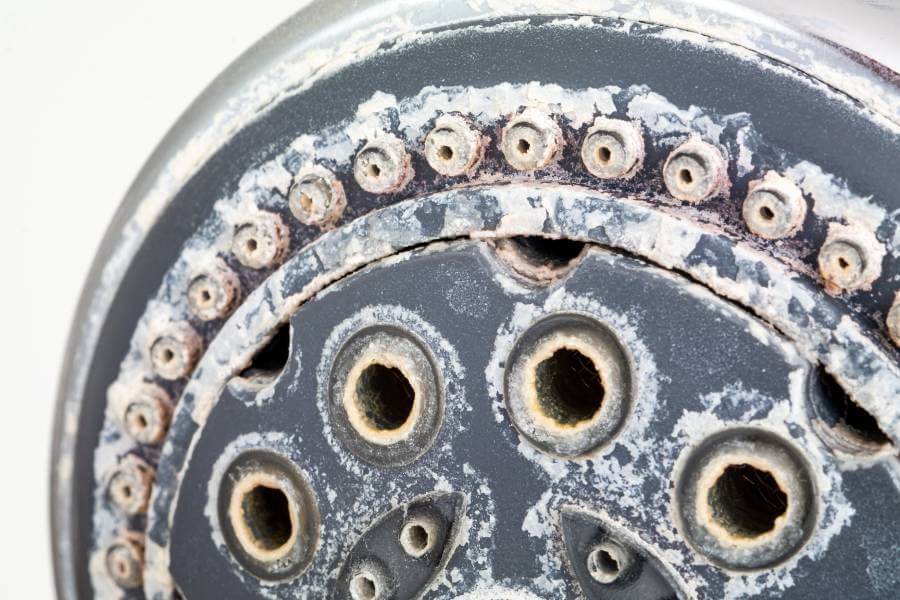


If the pressure problem is limited to one sink or shower, mineral buildup is likely the culprit.
Over time, hard water leaves calcium deposits inside aerators and showerheads. This restricts flow, making it feel like low pressure when it’s really just blockage at the outlet.
How to fix it:
- Unscrew the faucet aerator
- Rinse out debris
- Soak in vinegar for 30–60 minutes
- Reinstall and test
This is a simple, inexpensive fix that often restores full flow immediately.
3. A Hidden Plumbing Leak


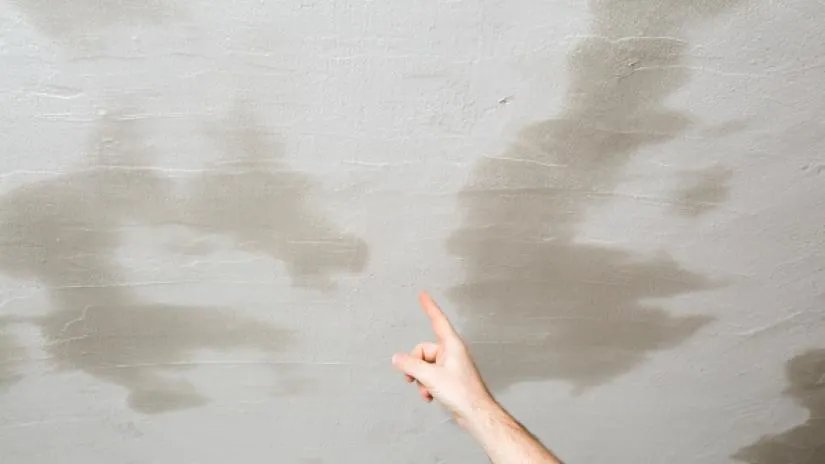

If pressure drops across the entire house, a leak may be diverting water before it reaches your fixtures.
Warning signs include:
- Damp spots on walls or ceilings
- Musty smells
- Unexplained increase in your water bill
- The sound of running water when nothing is turned on
You can test for leaks by checking your water meter. Turn off all water inside and outside the house. If the meter continues moving, water is escaping somewhere.
Leaks should be addressed quickly to prevent structural damage.
4. Municipal Water Supply Issues
Sometimes the problem isn’t inside your home at all.
Water main repairs, hydrant flushing, or high demand in your area can temporarily reduce pressure.
If neighbours are experiencing the same issue, it’s likely a city supply matter. Checking your local utility’s website or calling their service line can confirm this.
These issues are usually temporary.
5. Sediment Buildup in Older Pipes
Homes with older galvanized steel pipes can experience internal corrosion over time. Rust and mineral buildup narrow the inside diameter of the pipes, reducing water flow.
This often causes gradual pressure loss. However, if a chunk of buildup shifts, you might notice a sudden change.
If your home is several decades old and still has original piping, pipe corrosion may be contributing to the issue.
6. A Failing Pressure Regulator
Many homes have a pressure-reducing valve (PRV) installed where water enters the home.
When this device fails, it can cause sudden drops in water pressure throughout the house.
Signs of regulator failure:
- Pressure changes abruptly
- Pressure fluctuates unpredictably
- Whole-house issue with no visible leaks
PRVs typically last 10–15 years. Replacement is usually required if it fails.
7. Water Heater Problems (If Only Hot Water Is Weak)
If cold water pressure seems normal but hot water pressure is low, the issue may be isolated to your water heater.
Possible causes:
- Sediment buildup inside the tank
- Partially closed hot water valve
- Aging or failing water heater
Flushing the tank may restore proper flow if sediment is the problem.
How to Narrow It Down Quickly
To diagnose sudden low water pressure, ask:
- Is it happening at one fixture or throughout the house?
- Is it affecting hot water, cold water, or both?
- Did any plumbing work happen recently?
- Are neighbours experiencing the same issue?
The answers to these questions will usually point you toward the root cause.
When to Call a Professional
If you suspect:
- A hidden leak
- Corroded pipes
- A failed pressure regulator
- Or you’re simply unsure
It’s time to bring in an expert.
Water pressure problems don’t usually fix themselves. A small leak can turn into water damage behind walls. Corroded pipes can worsen and restrict flow throughout the home. A failing pressure regulator can cause inconsistent pressure that stresses your plumbing system.
If you’re in Southwest Washington or the Portland metro area, Cascade Northwest Plumbing is the team to call. As a trusted local plumbing company serving Vancouver, WA and the surrounding Portland metro area, they specialise in diagnosing low water pressure issues quickly and accurately.
Whether the problem is a hidden leak, aging pipes, a pressure regulator failure, or something less obvious, their licensed plumbers have the tools and experience to pinpoint the cause and fix it properly — not just temporarily.
Sudden low water pressure is inconvenient, but it doesn’t have to disrupt your home for long. If basic troubleshooting hasn’t solved the issue, scheduling a professional inspection can prevent bigger and more expensive repairs down the line.
If your water pressure has suddenly dropped, don’t wait for it to get worse. Contact Cascade Northwest Plumbing and restore steady, reliable water flow to your home.